Periodontal Treatment
Protect Your Gum Health

Bleeding or swollen gums are not normal. Learn how our treatment can get you back on track.

Periodontal Treatment | Dentist

Periodontal Treatment in Glen Burnie


If your gums are puffy or swollen, or bleed when you brush, you might have gum disease. It’s a very common problem affecting millions and nothing to be embarrassed about. It is simply an infection that occurs due to a buildup of plaque and tartar, which contain bacteria and irritate the gums.

Fortunately, gum disease is very treatable and even reversible in its early stages. At Glen Burnie Dental Group, we start by determining what is happening with your gums, then explain your options in plain language.

What Exactly Is Periodontal Disease?

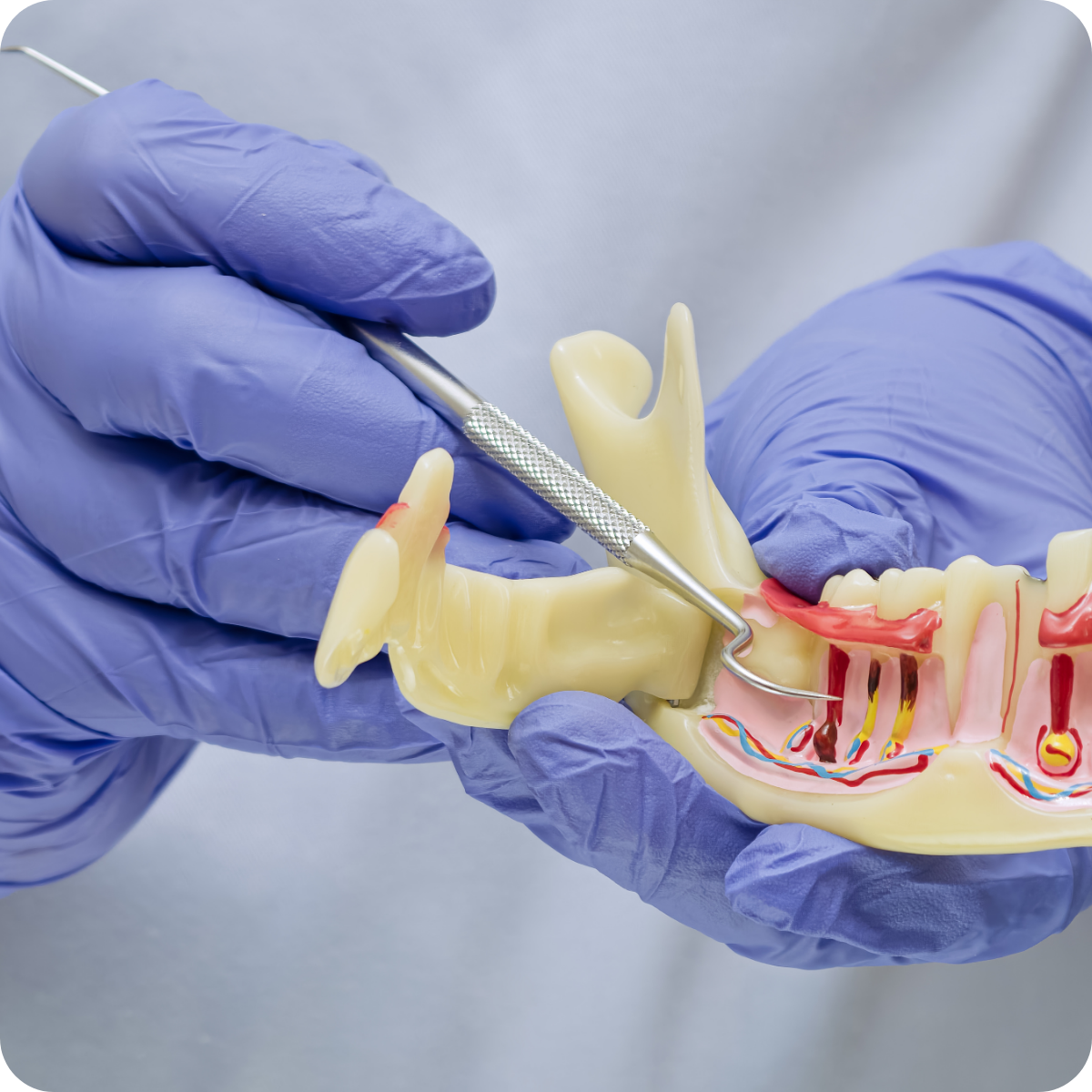
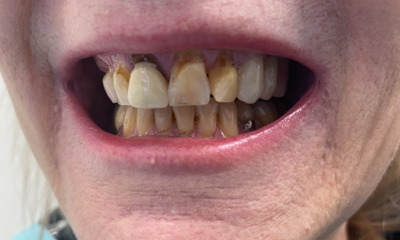
Periodontal disease has two stages. Gingivitis is the early stage. Your gums may bleed or feel swollen, but the bone holding your teeth is still healthy. The more severe stage of gum disease is periodontitis; it’s a chronic bacterial infection that can damage your jawbone and lead to tooth loss.

Symptoms to watch for include:

  • Swollen or tender gums
  • Bleeding gums, especially when you brush or floss
  • Gums that look like they are pulling away from your teeth
  • Bad breath that doesn't go away with mouthwash or brushing
  • Loose or shifting teeth
  • Teeth that feel different when you bite down

Sometimes gum disease develops with few or no symptoms that you would notice. That's why your dentist checks for it at every visit.

Why Periodontal Treatment Is Important

Treating gum disease early can make a real difference in your oral health. Here is what you can expect:
Fewer Active Symptoms
As infection and inflammation come under control, symptoms like bleeding, swelling, and tenderness often improve, making simple actions like brushing and eating more comfortable.
Slower Bone and Gum Loss
Gum disease can cause loss of bone and gum tissue, leaving your teeth unstable. Treatment aims to prevent further damage to supporting structures and help protect the remaining teeth.
Lower Risk of Tooth Loss
Untreated periodontal disease is the most common cause of tooth loss in adults. Seeking treatment at the first sign of an issue is your best bet for keeping your teeth as long as possible.

Frequently Asked Questions

Periodontal maintenance and a regular cleaning serve different purposes. A regular cleaning maintains healthy gums. Periodontal maintenance manages gum disease that's already been diagnosed and treated.

What Makes Perio Maintenance Different

Once we have treated your periodontitis, your gum health needs closer attention. Periodontal maintenance visits include measuring the space between your teeth and gums, checking for signs of returning infection, and cleaning below the gumline where disease is most likely to return.

Why You Need More Frequent Check-Ins

  • Periodontitis can return without regular monitoring
  • Catching early changes helps prevent more advanced treatment later
  • Your gum measurements and response to past treatment guide your schedule
  • Home care alone usually isn't enough once we diagnose periodontitis

We base your maintenance schedule on your gum health history, not a general rule. Many patients need this care every three to four months, rather than the twice-a-year schedule used for routine cleanings.

Questions About Periodontal Maintenance?

Have questions about your own maintenance schedule? Call our Glen Burnie, MD, dental office at (410) 969-9300 to schedule, or book online.

We are pleased to see patients from surrounding communities, including Pasadena, Severna Park, Millersville, Odenton, Crofton, Arnold, Annapolis, and throughout Anne Arundel County. For easier communication, our team members also speak English, Spanish, Vietnamese, Chinese, Korean, German, Telugu and Farsi.

How We Treat Periodontal Disease
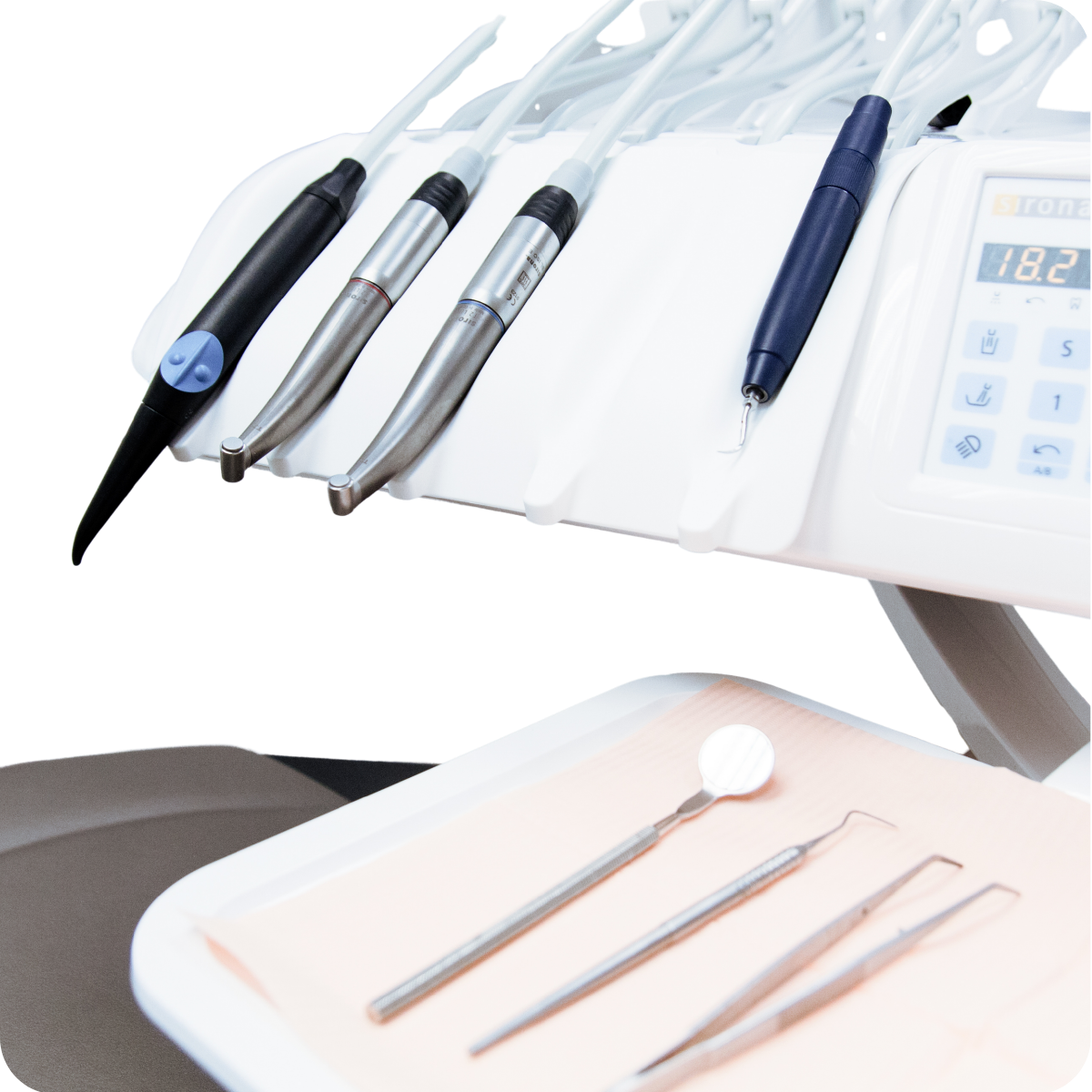
The first step is understanding the extent of gum disease. This involves measuring periodontal pockets, the spaces between your teeth and gums. Depending on these measurements, our hygienists will select the appropriate treatment.

Gingivitis — Early Gum Disease

To treat gingivitis, our hygienists perform a regular teeth cleaning and show you how to brush and floss properly. Good at-home oral hygiene and regular cleanings, as recommended, help prevent the disease from returning.

Periodontitis — Advanced Gum Disease

Left untreated, gingivitis can turn into periodontitis. This is a more advanced stage where plaque and tartar build up below the gumline. Over time, this can damage the gums and bones that support your teeth, causing them to loosen.

Treating Periodontitis with Scaling and Root Planing

If we find periodontitis, we may recommend a type of deep cleaning called full-mouth debridement, followed by scaling and root planing. This process removes plaque and tartar above and below the gumline (scaling). Next, we smooth the tooth roots so the gums can reattach easily (planing).

Our hygienists will numb your gums and split the treatment into two visits for your comfort.
Periodontal Treatment Technology

Digital X-Rays and Sensors

Digital X-Rays and Sensors

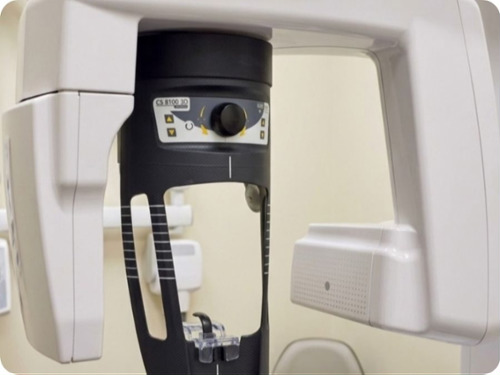
At Glen Burnie Dental Group, we use digital x-rays to get a clearer, faster picture of your oral health. Instead of traditional film that requires time to develop, our digital sensors capture detailed images in seconds and display them on a chairside screen. The result is less time waiting and significantly less radiation exposure compared to older film-based methods.

Digital x-rays help us detect cavities early, monitor your jawbone health, and examine areas below the gumline that aren't visible during a routine exam. Because the images appear right away, your dentist can walk you through what they see in real time, so you leave your appointment with a clear understanding of your oral health and any recommended next steps.

Keeping Periodontitis Under Control

Treating periodontal disease is an ongoing process. We need to monitor it closely because it can return easily without maintenance. How often you'll need maintenance depends on how your gums respond, so your cleaning schedule may change over time.

Frequently Asked Questions

Will my gums grow back after periodontal treatment?

Lost gum tissue typically doesn't grow back on its own. Treatment focuses on stopping further loss and keeping your gums as healthy as possible going forward.

Can gum disease come back after a deep cleaning? 

It can, especially without regular maintenance and good home care. That's why periodontal maintenance visits, along with daily brushing and flossing, matter even after treatment.

Do You Have Signs of Gum Disease?

If your gums bleed, feel swollen, or you have been told you need a deep cleaning, our Glen Burnie, MD, dentists and hygienists can help you understand what's going on. Call (410) 969-9300 to schedule an evaluation, or book online.

We welcome patients from surrounding areas, including Pasadena, Severna Park, Millersville, Linthicum Heights, Severn, Hanover, Odenton, Crofton, Gambrills, Ferndale, Brooklyn Park, Arnold, Annapolis, and Baltimore.